
A design can appear coherent on screen and still fail during a critical task. Formative human factors work evaluates the interaction among the device, the user, and the conditions of use before the final design is locked.
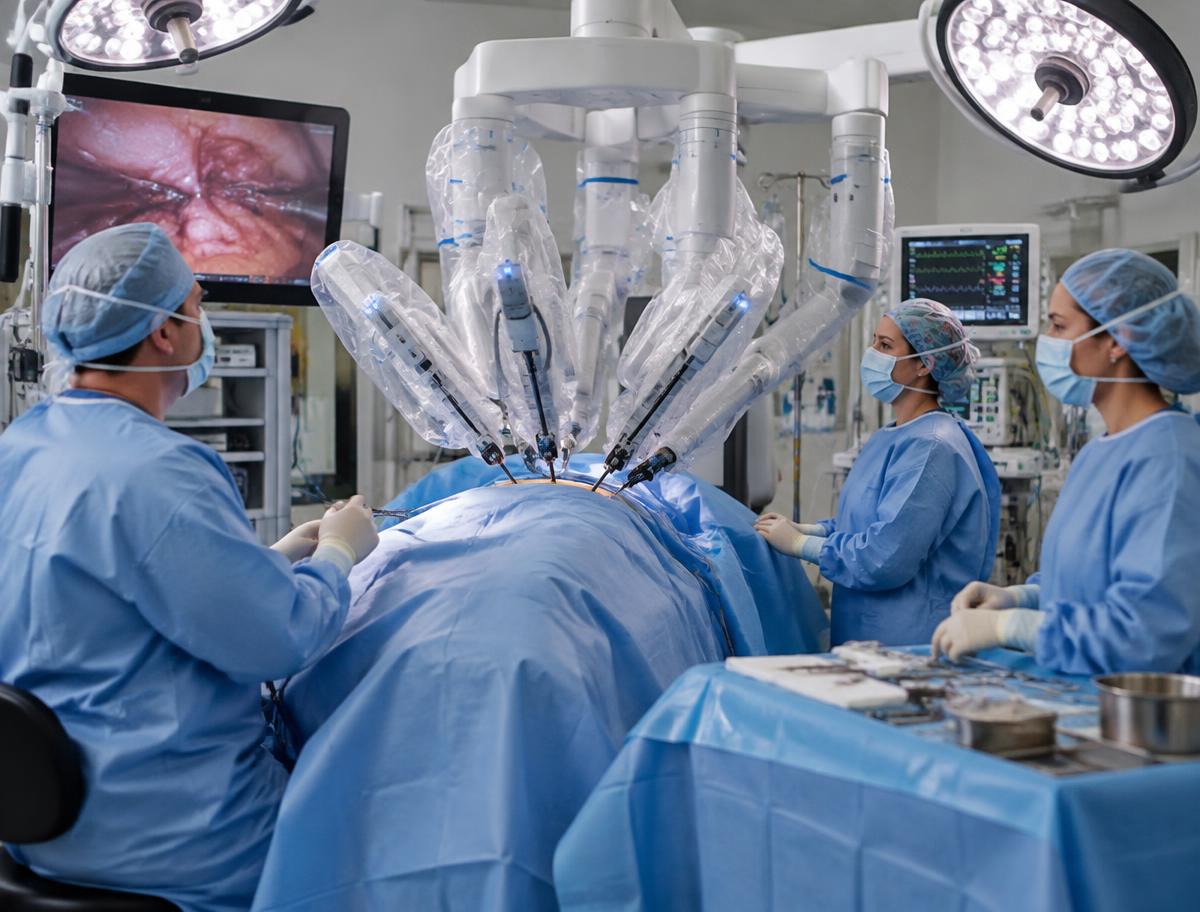
In the surgical-robot engagement, mock-OR research identified more than 30 critical use errors across formative phases. Sterile-field fidelity and representative surgical workflows helped expose problems that interface review alone could miss. The majority of identified errors were mitigated through design controls.
The useful output is not simply a list of problems. Findings need to connect observed behavior, potential harm, and the design controls that should be evaluated next. This engagement subsequently supported summative validation and an FDA 510(k) submission with HFE/UE documentation.
A formative evaluation package defines the users, critical tasks, prototype readiness, and study conditions up front. It gives the team evidence to refine the design, without treating an early study as final validation.