Kognio®
Training & workshops

Operational experience translated into practice.

Every workshop is built from fieldwork in the environments it teaches. Delivered on-site, virtually, or as a custom curriculum.

From the Flight Deck to the OR: Cross-Domain Safety-Critical HFE
Workshop 01

From the Flight Deck to the OR: Cross-Domain Safety-Critical HFE

1–2 days · in-person or virtual · MedTech product teams, HFE practitioners, clinical AI teams

The cognitive failure modes in a surgical console and a commercial cockpit are more alike than different. This workshop teaches the cross-domain transfer - applying aviation's most rigorous human factors methods to medical devices, SaMD, and clinical AI - and using that lens to surface failure modes single-domain practitioners miss.

Skills
  • Apply situational awareness frameworks and crew resource management principles to OR, ICU, and human-AI team workflows
  • Use cognitive task analysis methods developed in aviation to identify use-related hazards in medical device interfaces
  • Design simulation-based HFE studies informed by full-motion flight simulation methodology
  • Map findings to IEC 62366-1, FDA HE 75, and EU MDR with cross-domain traceability
  • Evaluate pilot decision-support and EFB lessons for clinical AI and autonomous decision support contexts

Fieldwork in Regulated Environments: Contextual Inquiry for Clinical and Operational Settings
Workshop 02

Fieldwork in Regulated Environments: Contextual Inquiry for Clinical and Operational Settings

1–2 days · UX researchers, HFE practitioners, clinical informatics and research-ops teams

Contextual inquiry in a hospital ward, a ground control operation, or a state Medicaid agency is not the same as doing it in an office. Access constraints, operational tempo, clinical hierarchy, shift handoffs, and regulatory documentation requirements all shape what you can observe and how you can use it. This workshop teaches the fieldwork skills most HFE training programs skip.

Skills
  • Gain and manage site access in clinical, operational, and government health system environments
  • Build observer credibility with surgeons, pilots, operators, and clinicians without disrupting workflow
  • Adapt inquiry methods to high-tempo, shift-based, and infection-controlled environments
  • Manage participant burden and debrief constraints across complex multi-stakeholder settings
  • Convert ethnographic observations into use-related risk documentation traceable to IEC 62366-1 and ISO 14971
  • Design participant recruitment and informed consent protocols that satisfy both IRB and FDA expectations
AI in the Loop: Human Factors for Clinical and Autonomous Decision Support
Workshop 03

AI in the Loop: Human Factors for Clinical and Autonomous Decision Support

1 day · Product, design, and HFE teams shipping AI-enabled medical devices, SaMD, or autonomous systems

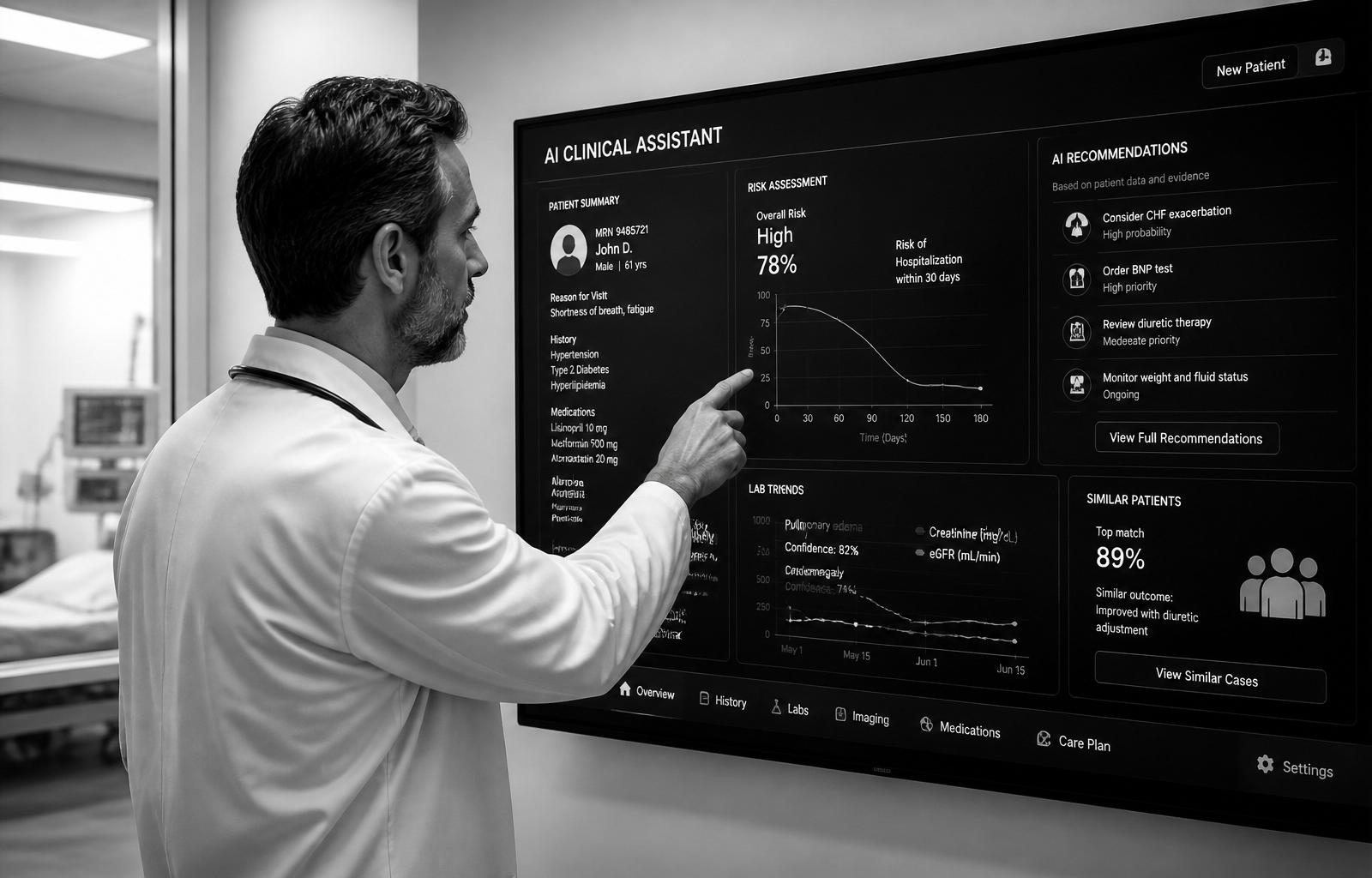
Not an ethics course. Not a general UX-for-AI workshop. A working session on the specific human factors failure modes that emerge when AI enters safety-critical workflows - and the methods for identifying and mitigating them before a regulator does.

Skills
  • Identify and evaluate automation bias, overtrust, undertrust, alert fatigue, and handoff failure in AI-enabled systems
  • Apply explainability and transparency requirements to clinical AI interface design
  • Design HFE evaluation protocols for AI co-pilots, decision-support tools, and autonomous systems
  • Adapt crew resource management and handoff principles to human-AI teaming in OR, ICU, and autonomous vehicle contexts
  • Map findings to FDA's AI/ML guidance, EU AI Act requirements, and IEC 62366-1 for SaMD
  • Conduct operator takeover and handoff testing in simulated high-stakes environments
Human Factors at Scale: Implementation, Training Design, and Clinical Adoption
Workshop 04

Human Factors at Scale: Implementation, Training Design, and Clinical Adoption

1–2 days · Health system teams, government agencies, digital health companies, and MedTech firms post-clearance

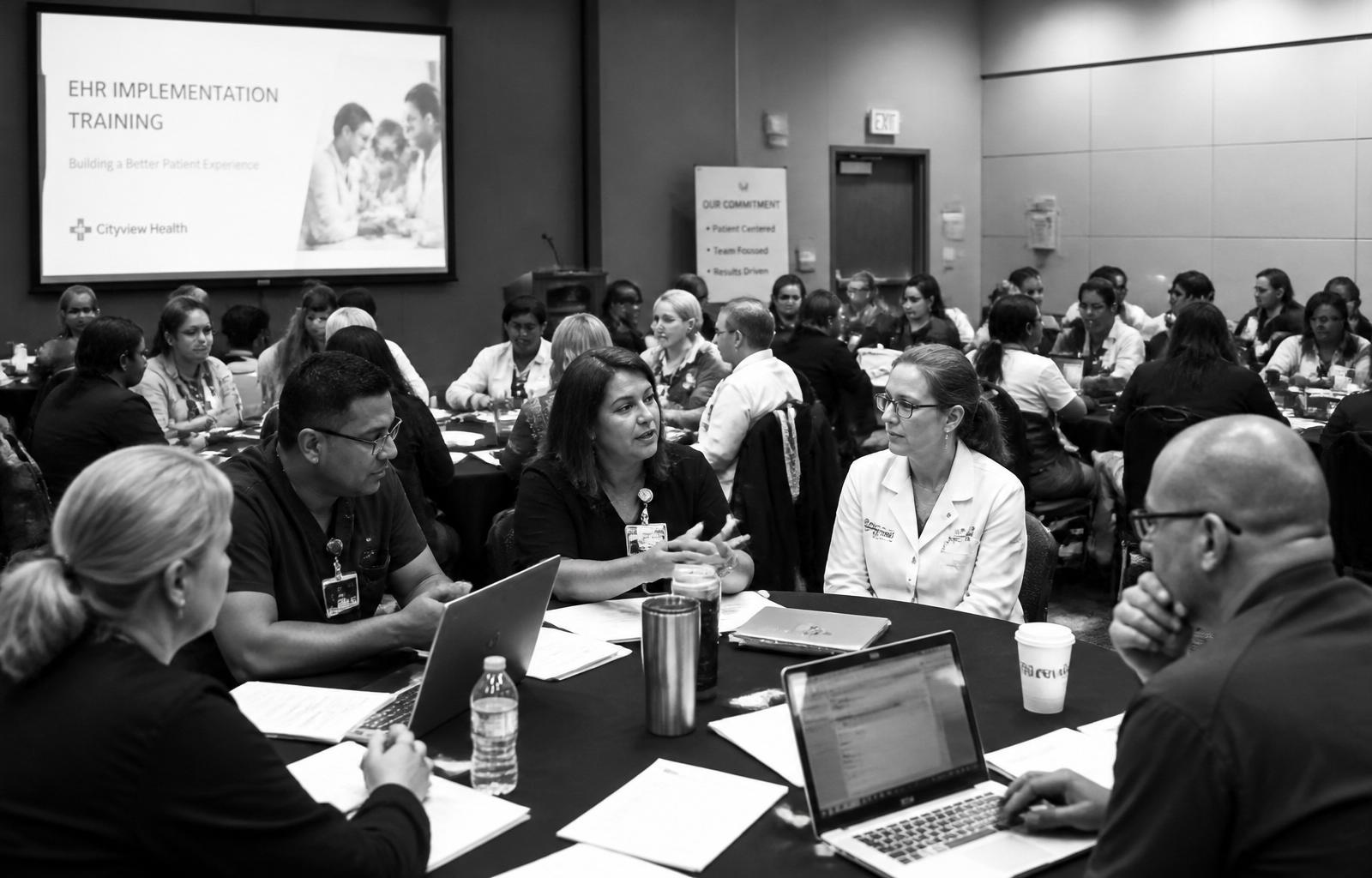
FDA clearance is not the finish line. When a device, EHR module, or clinical AI tool goes live across thousands of users in distributed care environments, a new set of human factors problems begins. This workshop addresses the implementation phase most HFE training ignores - designing for adoption, building clinical training programs, and managing the human factors of a system that is changing while people are using it.

Skills
  • Design human factors programs for large-scale clinical rollouts across distributed user populations
  • Build training curricula that transfer to real operational conditions rather than controlled environments
  • Identify and mitigate use errors introduced during implementation rather than design
  • Conduct post-market human factors surveillance aligned with ISO 14971 and MDR post-market requirements
  • Manage multi-stakeholder environments spanning clinical leadership, IT, regulatory, and frontline users
  • Apply paper-to-digital transition methods to legacy workflow replacement in health system and government agency contexts

Need a custom curriculum?

We design private workshops around your domain, your standards, and your team's maturity.

Discuss training